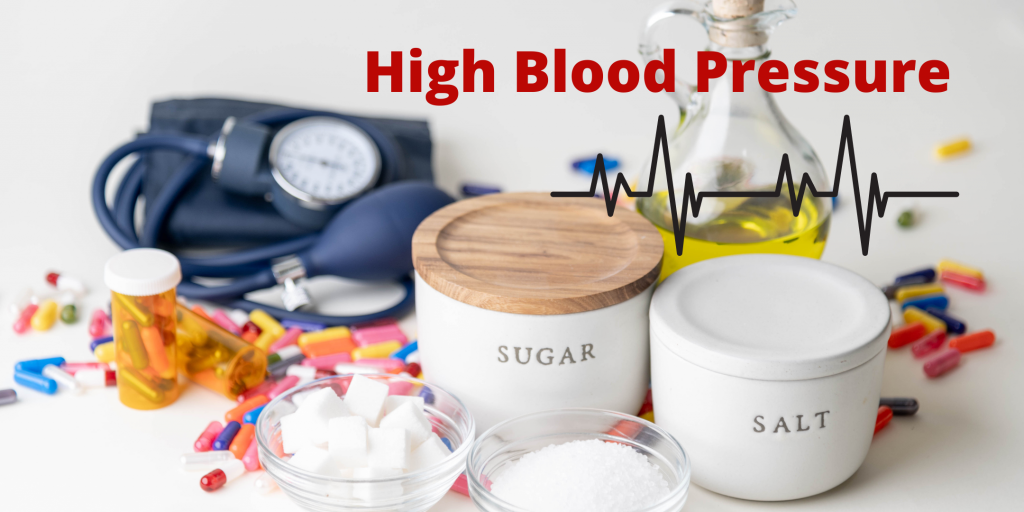
In the UK around one in three adults in the UK has high blood pressure. High blood pressure, otherwise known as hypertension, rarely has noticeable symptoms and the first sign could be as serious as a heart attack or stroke.
What is high blood pressure?
Blood pressure is recorded with two numbers. The systolic pressure (higher number) is the force at which your heart pumps blood around your body and the diastolic pressure (lower number) is the resistance to the blood flow in the blood vessels. An ideal blood pressure is usually considered to be between 90/60mmHg and 120/80mmHg. High blood pressure is considered to be 140/90mmHg or higher.
The only way to find out if your blood pressure is high is to have your blood pressure checked.
Where to get your blood pressure checked
All adults over 40 are advised to have their blood pressure checked at least every 5 years. This can be done at your GP surgery, at some pharmacies, as part of your NHS Health Check and in some workplaces. You can also check your blood pressure yourself with a home blood pressure monitor.
This year, Blood Pressure UK’s award-winning flagship campaign, Know Your Numbers!, taking place from 5-11 September 2022, is encouraging everyone to measure their blood pressure from home. Home blood pressure monitoring is an effective and inexpensive way to keep blood pressure under control.
For more information on the Know Your Numbers campaign, visit: https://www.bloodpressureuk.org/know-your-numbers/know-your-numbers-week/
How to lower blood pressure
If you suffer from high blood pressure, your doctor will more than likely prescribe medication, however there are other lifestyle changes you can make such as losing weight, eating better – less salt and more fruit and vegetables, doing more exercise, drinking less caffeine-based drinks such as alcohol or coffee and quitting smoking.
Support for lifestyle changes can be found at: https://www.nhs.uk/better-health/